
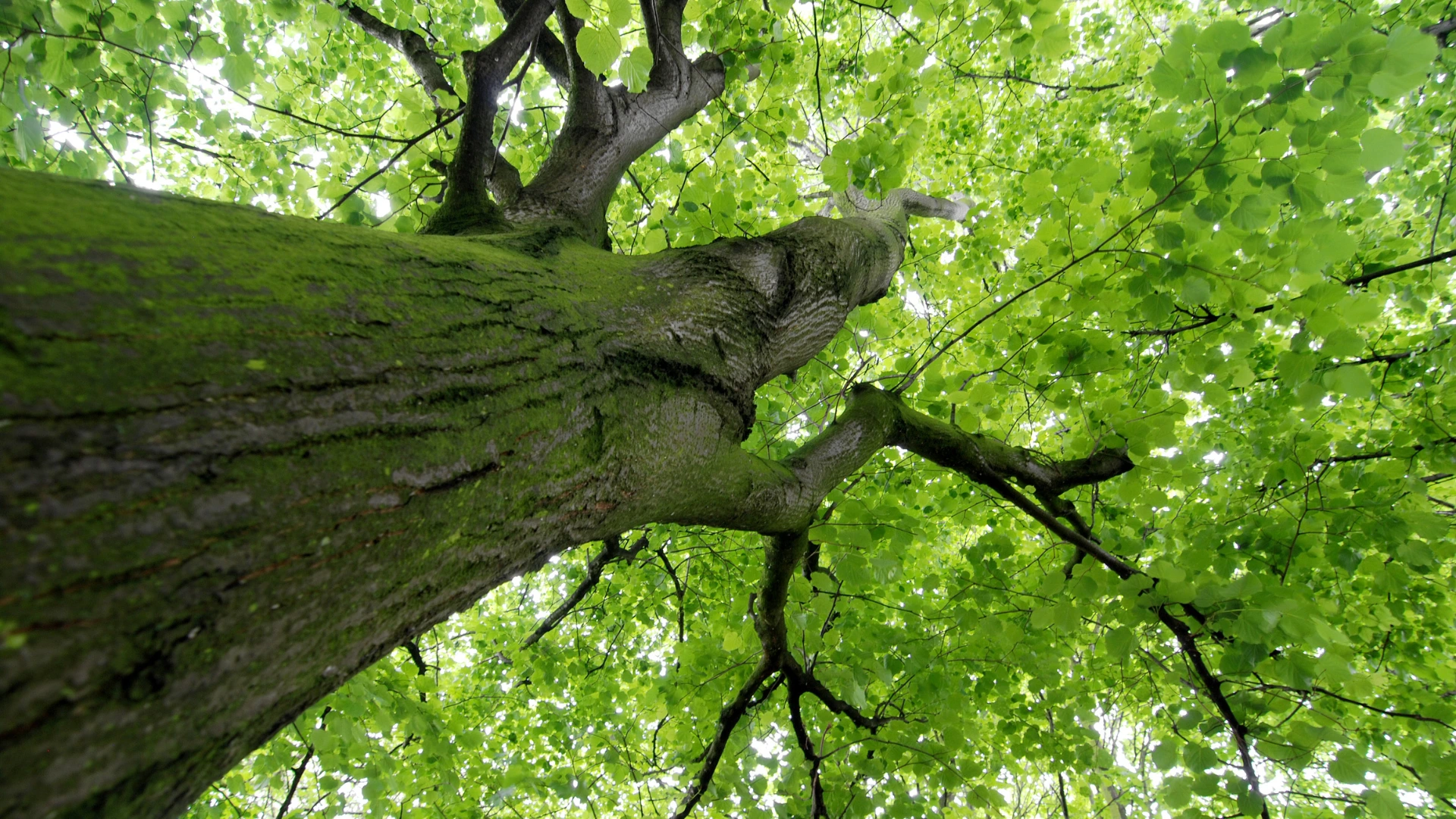
Respect for People and Nature
Using resources sparingly and acting responsibly –
Step by step in the daily life of our company.
Living Sustainability and Responsibility in the Company
We work according to the principles of organic farming and source our products from соответствing supply chains. Studies and industry assessments show that this cultivation method can differ from conventional agriculture in various environmental areas, especially in biodiversity and the use of crop protection products. We take sustainability aspects into account in our business areas along the entire value chain. This includes the use of more sustainable packaging solutions such as paper bags for suitable products and the optimization of transport and logistics processes. Social and ethical requirements are also part of our business practice. To guide us in this, we rely on recognized international standards for human rights and working conditions.
Our goal is to continuously develop our business processes further and shape them responsibly.
Organic Farming
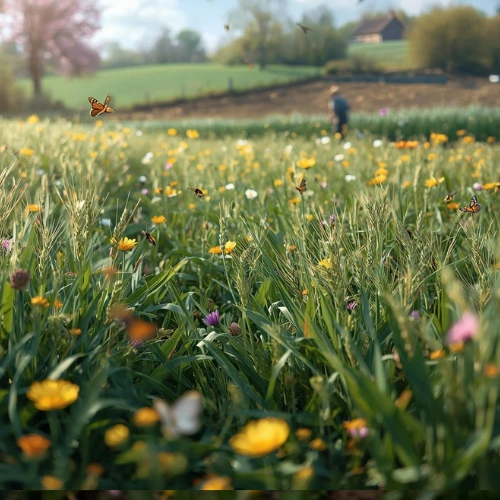
As an importer, trader, and producer of organic food, we source our products from businesses that are certified in accordance with the EU Organic Regulation or comparable organic standards. Studies show that organic and conventional agriculture have different impacts on the environment and nature, for example in terms of biodiversity, pesticide use, and soil quality.
Synthetic pesticides and mineral nitrogen fertilizers are therefore not used. As a result, fewer of these substances enter soils and waterways.
Studies also show that organically managed fields contain, on average, more plant and animal species than conventionally managed areas.
By foregoing mineral fertilizers, different nutrient cycles are also created in the soil. In many cases, this can support the buildup of humus, that is, organic soil matter that stores carbon.
There are also differences in energy use: the production of mineral fertilizer requires a lot of energy. If it is not used, these processes are eliminated.
Overall, scientific analyses show that organic farming can have positive effects on climate, soil, and biodiversity depending on the location and cultivation system.
Supply Chain
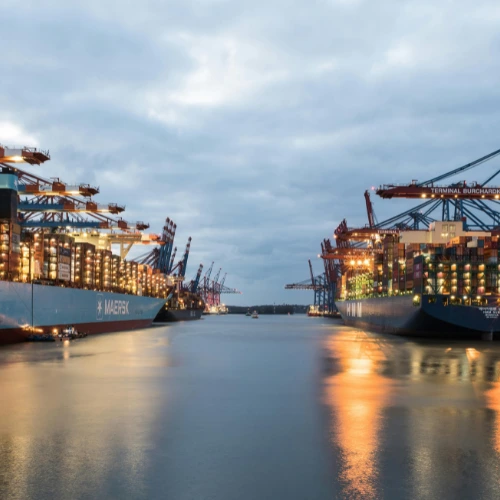
We have built our global supplier network in a spirit of partnership over decades. We collect our imports directly from Hamburg Port, which is only 20 minutes away. We use air freight only when no economically and logistically viable alternative is available. All processing steps, right through to small-scale packaging, take place at our company headquarters. We combine processing and packaging at our site to avoid additional transport routes within the supply chain.
We have completely given up our own fleet, apart from one truck, because our experienced partner haulage companies move the goods within existing route structures.
For parcel shipping to our customers, we rely on DHL GoGreen Plus. Here, the CO₂ emissions generated during transport are not only offset, but directly avoided within DHL's logistics network, for example through the use of sustainable fuels and electric trucks.
Our warehouses are built with insulated construction, and the roofs are mirrored, so that we can operate them without active heating or cooling. The cold-storage halls are equipped with modern, energy-efficient cooling technology.
Packaging
We have been continuously working to reduce the use of plastic packaging: for 20 years, we have used tuck boxes for our small packs, which means these packages do not require any additional adhesive tape as a seal.
From 2022, we tested packaging solutions based on garden-compostable materials. According to the manufacturer, the film used was suitable for home composting. Due to rapidly rising prices, we discontinued this solution again.
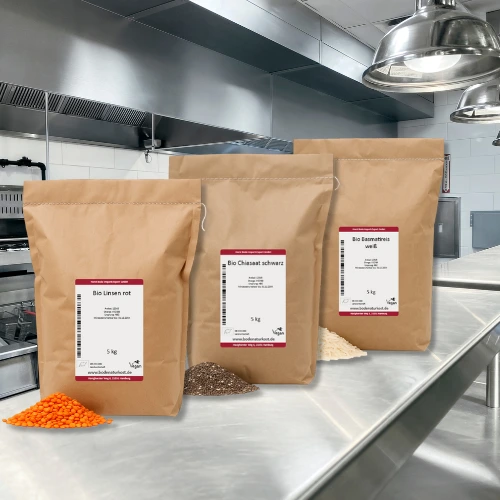
Since 2024, we have increasingly offered larger 1 kg consumer packs and are examining the use of paper-based packaging materials in suitable areas.
Where we still use plastic packaging for our individual units, we ensure it is as material-efficient as possible. The packaging is made from materials that are recyclable in many existing recycling systems. It has been designed to protect our food optimally from environmental influences and preserve its high quality.
Wherever it is product-specificly possible, we already offer products in plastic-free packaging solutions. In doing so, we search for and test alternative materials and work with providers of new packaging solutions. In addition to product protection, we also consider the entire journey of the packaging, from raw material to disposal.
Our pallets are wrapped by machine. As a result, compared with manual wrapping, we use around 70% less film. For shipping your products, we use used paper and cardboard when suitable material is available. This reduces the use of new packaging materials while also protecting your valuable goods as well as possible.
Resource Conservation
We separate recyclable materials by material type and send them to the appropriate recycling and disposal systems.
We collect all organic waste separately for processing in a biogas plant. We separate paper and film from incoming goods, production, mixing, and roasting by type and press them into raw material blocks. We reduce paper consumption in various work areas through digital processes. Employees are regularly made aware of the importance of using paper and consumables sparingly. In logistics, we already work completely paperless; everything runs digitally. In administration, wherever legally permissible, we also rely predominantly on digital filing processes. We print all unavoidable documents on recycled paper, unless they are prints on company letterhead.
Ecology
On our commercial property in Hamburg, we have preserved a near-natural area with mature trees and a natural pond.
In suitable areas, we maintain green spaces or use permeable paving to support the infiltration of rainwater into the soil.
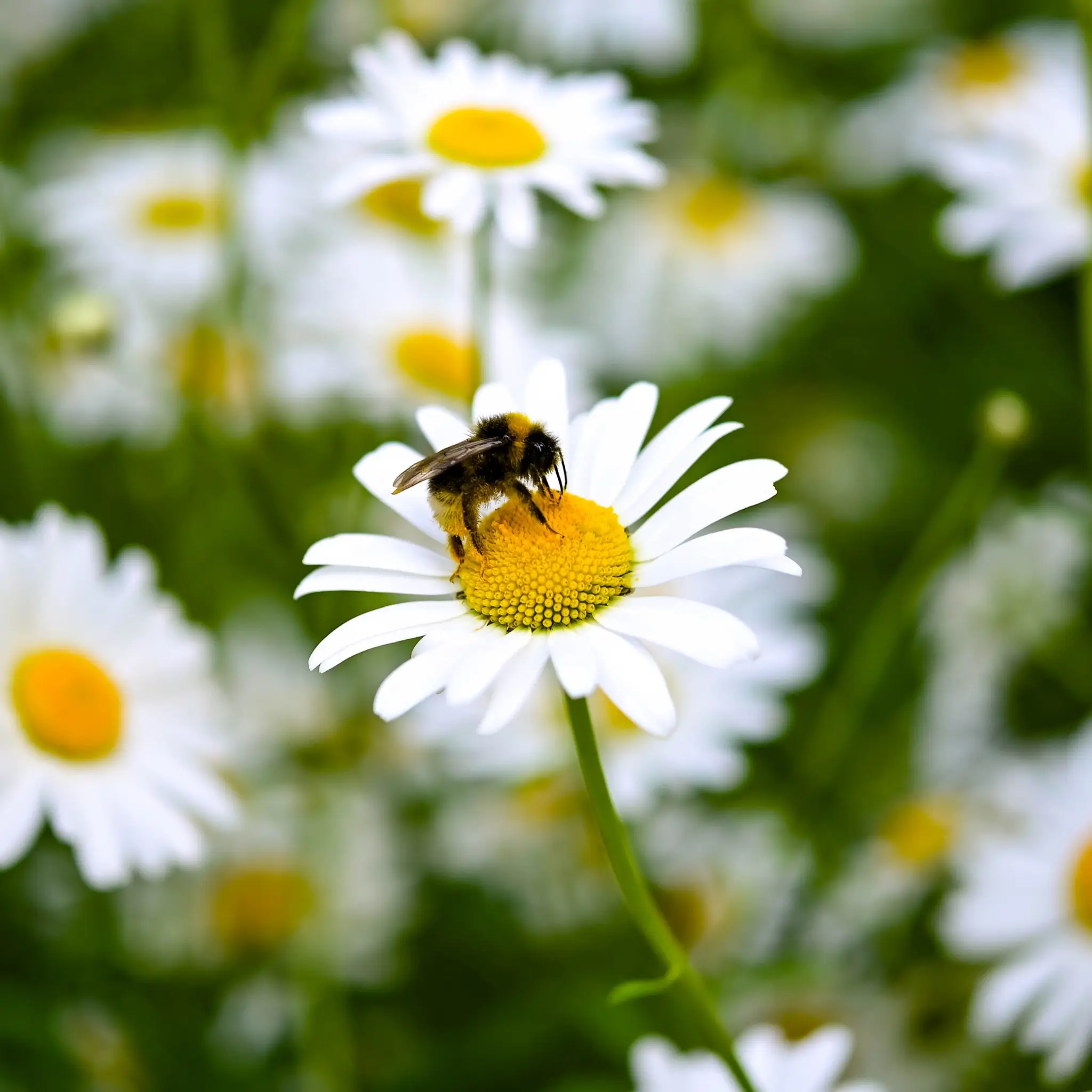
As part of an apprentice project, trainees created an insect-friendly flower bed on our company premises. The bed provides various insect species with food and places to retreat. In this way, we are creating additional habitats for pollinating insects on our site.
Employees
We want to create a working environment that supports work-life balance and health-promoting offerings. We are regularly awarded the Hamburg Family Seal for family-friendly working conditions. We also promote a sense of community and a varied diet among employees with a range of offerings. For example, fresh fruit and vegetables as well as muesli are always available free of charge. For relaxation and better concentration, we offer time and guidance for meditation.
Code of Conduct
We take organic farming and sustainability aspects into account in our business areas and orient ourselves toward recognized international standards. Our Code of Conduct is based on international standards and guidelines such as the UN Universal Declaration of Human Rights, the UN Sustainable Development Goals, the UN Global Compact, the OECD Guidelines for Multinational Enterprises, the core labour standards of the ILO, and the BSCI Code of Conduct.
Our Code of Conduct applies to all business partners along the supply chain. It requires compliance with human rights and local laws, protection of freedom of association and collective bargaining, avoidance of discrimination, fair compensation and working hours, as well as occupational health and safety. Child labor is also strictly prohibited.
We expect our business partners to comply with the applicable laws and standards and to commit to ethical and responsible conduct. We expect appropriate control mechanisms to ensure that our requirements are met. In the event of violations, reports must be made and measures taken to remedy them.
The Code of Conduct includes provisions on equal opportunity, equal treatment, and the promotion of diversity and inclusion with regard to hiring, compensation, training, and career development. It emphasizes the importance of a safe and healthy working environment as well as access to drinking water and sanitation facilities.
Our Code of Conduct is reviewed regularly and adjusted as needed to meet current legal and regulatory requirements. By implementing these principles, we aim to contribute to fair and responsible supply chains.
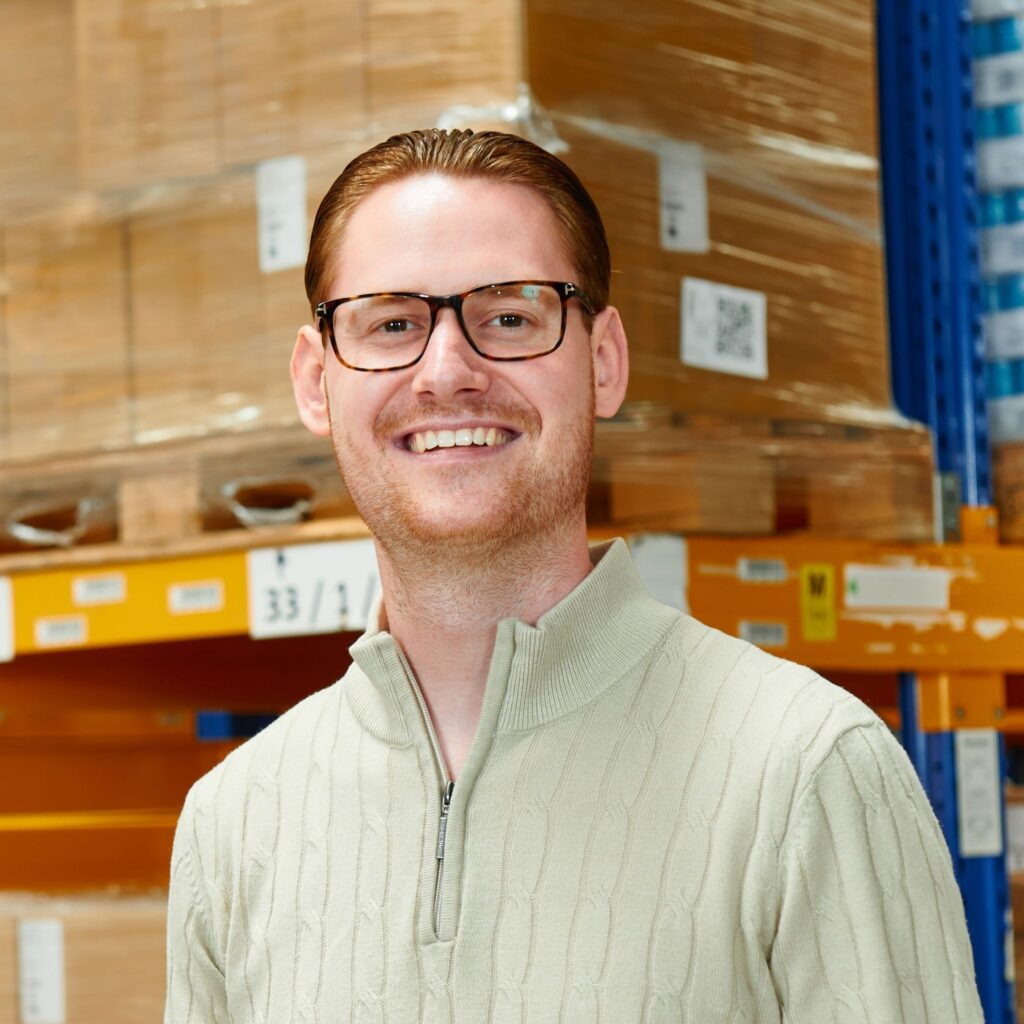
“We act with tomorrow in mind by offering products from organic farming,
using resources efficiently and managing our business areas responsibly.
Through measures in the areas of procurement, packaging, and logistics, we are continuously working to further develop our processes.”
Daniel Bode
